
Our Impact on Texas
For more than 100 years, the Texas A&M AgriLife Extension Service has improved Texans’ lives with innovative, science-based solutions and education in communities across the state.
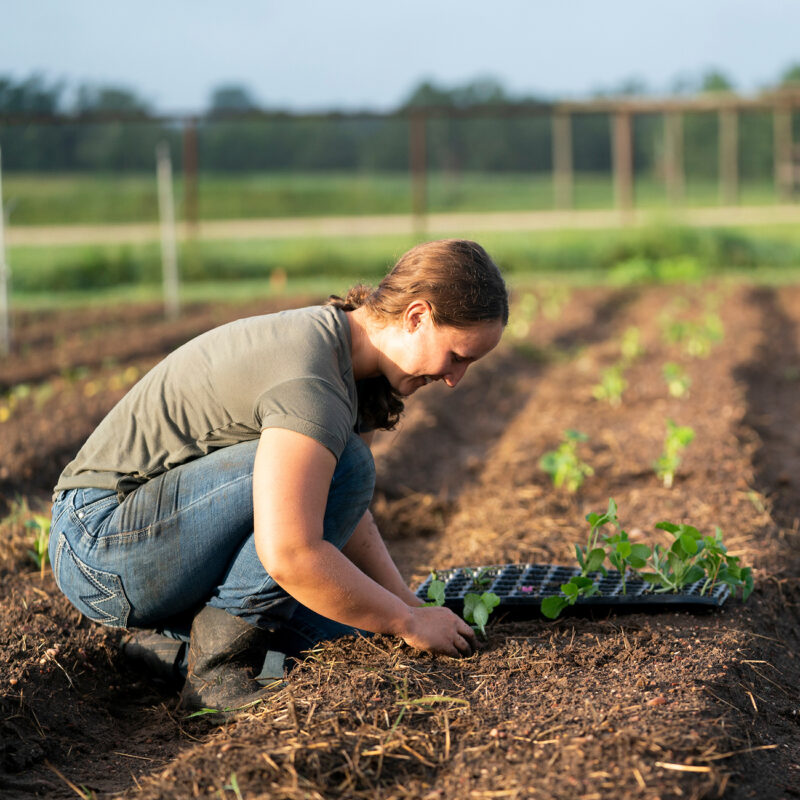
Helping Texans Thrive
We improve the lives of Texans through education. To help assess the effectiveness of Extension education, our agency formally analyzes selected, representative programs and activities to determine their economic impact. See our Economic Impact Briefs below to gain insight into how we make an impact in these key areas, or explore in-depth economic impact by topic.
View our Texas A&M AgriLife Extension Service | Serving Texans’ Needs Agency Overview Brief for a broad view of the impact we are making on Texas.
Strengthening Production Agriculture
Production agriculture is vital to the economic, environmental and human health of Texas. See how we make a significant impact on production agriculture through key solutions to some of the most pressing issues facing agriculture today.
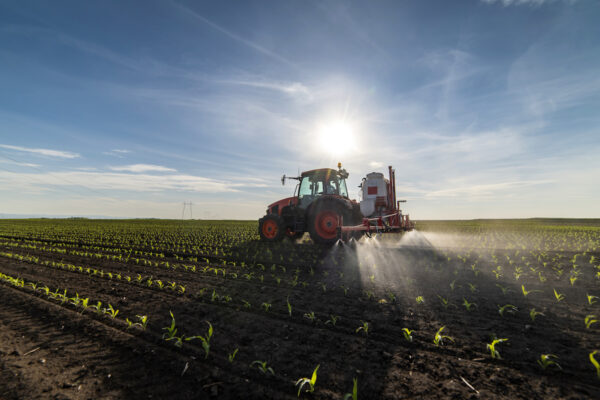

- Livestock, dairy and broiler production programs resulted in an economic gain of $133.7 million, and crop and livestock-related financial risk management and business planning programs resulted in estimated gains of $27.6 million.
- Through 15,700 educational events, planning meetings and workshops in 2025, we achieved more than 6.9M contacts.
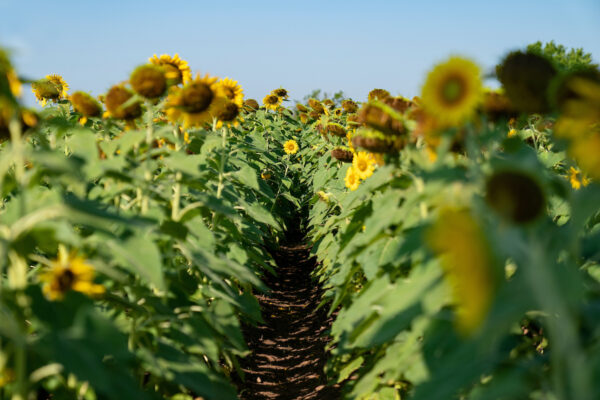
- Outreach related to crops, floriculture and nursery production led to an estimated increase in annual net returns of $48.9M and assisted cotton growers with variety selection valued at $24.1M.
- Through 11,100 educational events, planning meetings, and workshops in 2025, AgriLife Extension reached more than 4.5 million educational and other contacts.
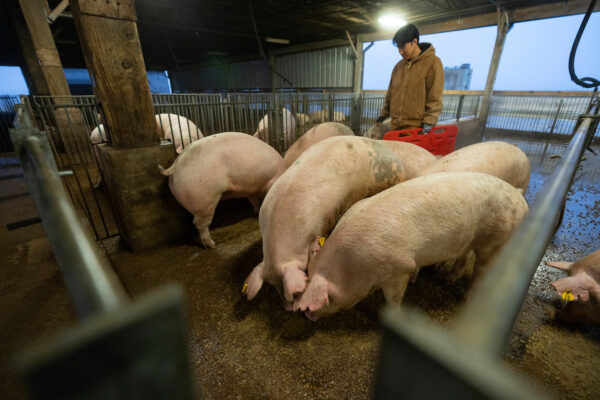
- Through 4,300 educational events, planning meetings and workshops in 2025, AgriLife Extension reached more than 2.3 million educational and other contacts.
- Crop and livestock-related financial risk management programs resulted in estimated gains of $27.6M.
- Job training and continuing education through Beef Quality Assurance trainings, Feedyard Camp and the Feedyard Technician Program support 679 Texas jobs, with an annual wage base of $13.0M.
Improving Health, Nutrition and Safety
We’re here to help the growing population of Texas flourish as we tackle some of the state’s biggest health and safety issues.

- In 2025, diabetes education programs reached more than 9,300 educational and other contacts.
- The economic impact of selected diabetes education, physical activity and nutrition education programs was estimated at $41.3M in lifetime health care cost savings

- Nutrition, food resource management, hypertension and programs for older adults reached more than 7,600 participants, with economic benefits estimated at $6.4M.
- Physical activity programs attracted 18,400 participants, with lifetime economic benefits estimated at $140.4M.
- Child safety seat programs save lives. The economic benefit of the proper use of child safety seats for the 2,600 participants is estimated at $5.4M.

- Through continuing education and certification programs, we directly supports 163,100 jobs in Texas, with an estimated annual wage base of $5.1B.
- Food Safety Education Program trains more than 6,200 food service employees, with a collective annual wage base of $204M.
- The V.G. Young Institute of County Government directly supports 2,111 county officials, with an annual salary base of $140.9M.
Protecting Natural Resources
We serve all 254 counties of Texas by improving and protecting our natural resources, making Texas more sustainable and enjoyable.
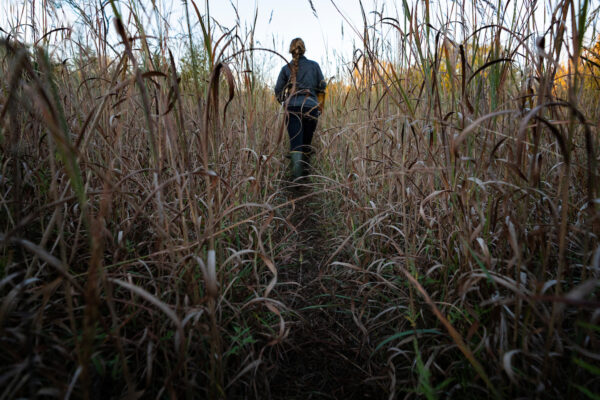
Wildlife management programs led to estimated economic gains of $14.8M by reducing property damages from feral hogs and improving quail biology and habitat.
Texas Master Naturalists contributed 617,000 hours of volunteer service in 2025, which was valued at $21.4M.
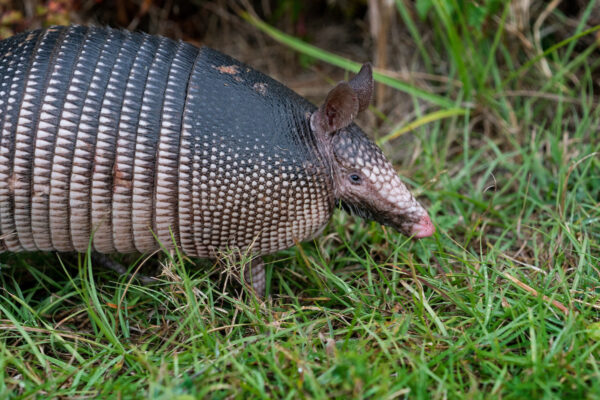
Direct assistance in removing 36,227 feral hogs saved landowners an estimated $14.8M in avoided crop and property losses.
Predation management efforts saved an estimated $58.0M in livestock and wildlife losses.
Beaver damage management protected flood-control structures, roads, bridges, timber, crops and pastures valued at $34.2M.

Water conservation programs have resulted in a potential savings of 5.1B gallons annually—enough to supply 47,182 households—valued at $18.9M.
Programs that provide certification in landscape irrigation, onsite wastewater systems management and water quality directly support 1,350 jobs, with $52.5M in annual wages.
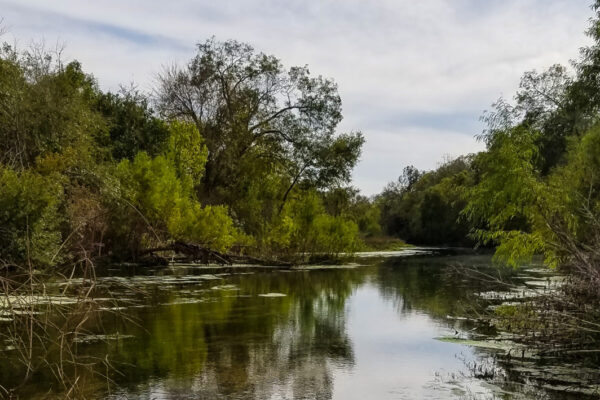
- The Healthy Lawns Healthy Waters, Lone Star Healthy Streams, Texas Watershed Steward, and Texas Well Owners Network programs play an integral role in supporting watershed protection efforts.
- Outreach efforts support the identification of sources of contamination, educational programs, and critical water quality protection activities with economic benefits of more than $11.3 million in 2025.
Improving Community Resiliency
Better preparation and support from disaster-recovery experts can help fast-track recovery and alleviate long-term costs for communities, learn more about our specialized program to enhance disaster readiness in Texas.
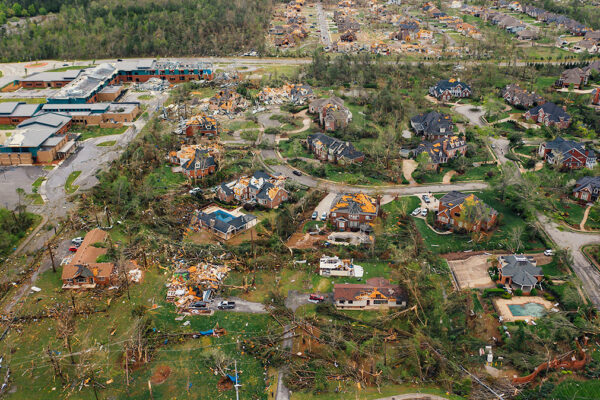
- AgriLife Extension has established six regional Disaster Assistance Response Teams to provide support for local communities to prepare for, respond to, recover from and become more resilient to all types of disasters.
- We work with agencies and organizations across the state in both education and response to help communities prepare long-term plans for land use, natural resources, and mitigation to reduce the impacts of disasters.
Empowering Youth
Since 1908, youth have been gaining valuable life-skills through hands-on activities taught and supported by caring adult volunteers and Extension Agents.
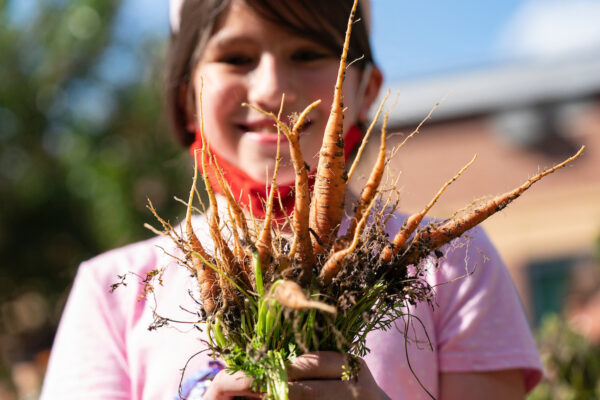
- 4-H is the largest youth development program in Texas, reaching more than 450,000 youth each year
- 4-H prepares youth to meet the challenges of childhood, adolescence and adulthood, through a coordinated, long-term, progressive series of educational experiences that enhance life skills and develop social, emotional, physical and cognitive competencies.
Food and Fiber System’s Contribution to the Texas Economy
Production agriculture is one component of the larger food and fiber system that serves Texas’ 29.5 million consumers, as well as millions of consumers beyond Texas.
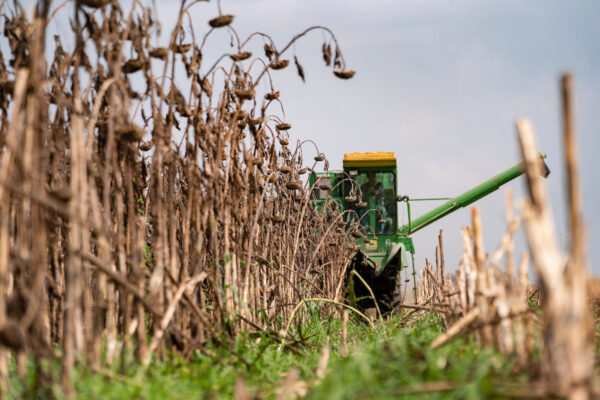
- Production agriculture in Texas is fourth among all states in cash receipts and is one component of the larger food and fiber system that serves Texas’ 30.5 million consumers as well as millions of consumers beyond the state.
- Recent data shows the food and fiber system in Texas contributed $240.3 billion to the state’s economy. Extension Economists have developed a report titled “The Food and Fiber System and Production Agriculture’s Contribution to the Texas Economy.” The report is updated biennially.