
4-H Family & Community Health
In the Family and Community Health project area, youth learn about many facets of healthy living, consumer choices, and life skills. With projects involving cooking, consumer decisions, sewing, and personal safety, there is an engaging opportunity for all youth.
Related Departments: Food Science & Technology, Nutrition
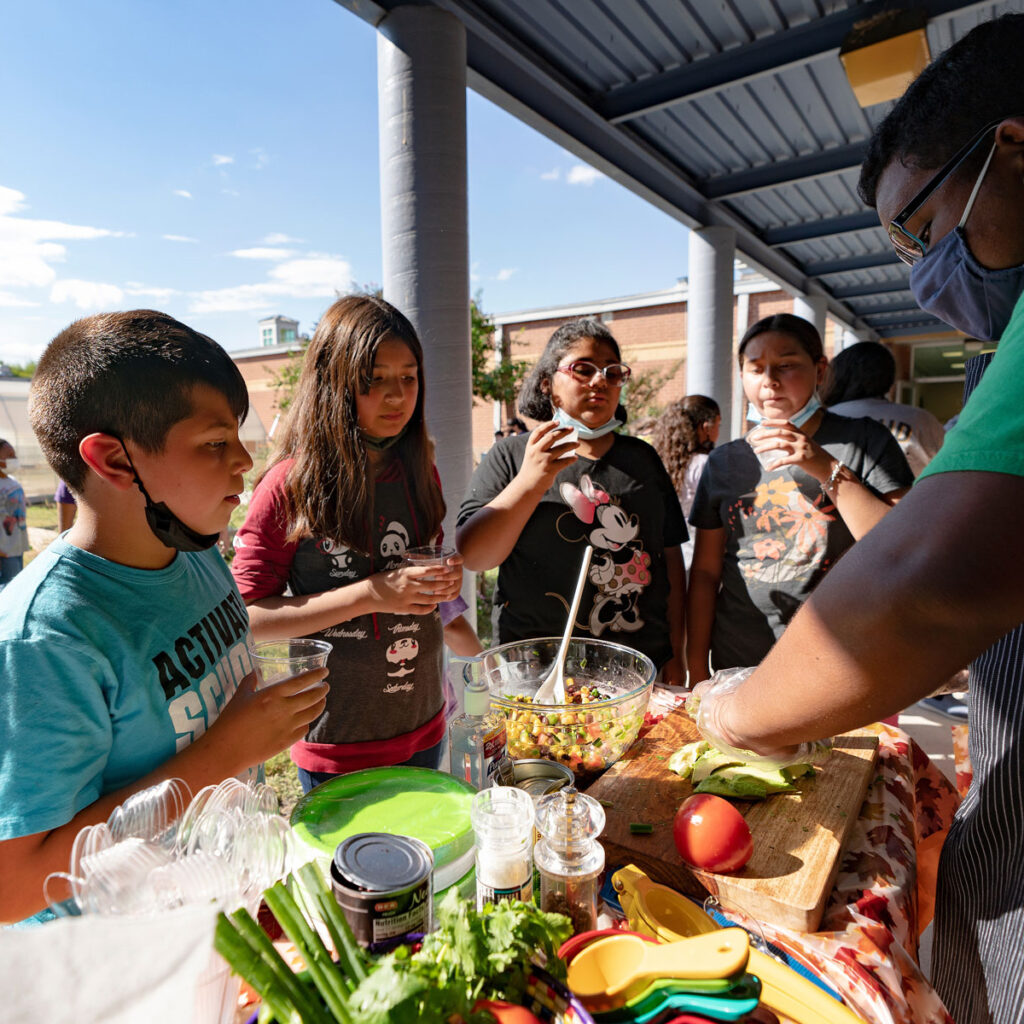
Texas 4-H Foods & Nutrition Project
Learn About
4-H Family & Community Health
Publications
Programs
All Resources on 4-H Family & Community Health
- Course
A discussion of the effects of common misuse and combinations of misuse and its effect on pediatric injury. An analysis of the data was done to show which misuse is most dangerous for the different types of restraints including a comparison of injuries to children when using optimal restraints, suboptimal restraints and when unrestrained to see if the data supports current best practice recommendations.
- Course
This course provides information for certified child passenger safety technicians who wish to stay current in their technical knowledge. The course, presented in video format, features instructor and LATCH Manual author Denise Donaldson. This course is approved for 1 CEU towards the required 6 CEUS for re-certification.
- Course
A discussion of car seats priced under $150 using a popular interactive game format to explore the different seats available and their features including specifics about their weight and height limits.
- Course
This course will teach Master Gardener/Master Naturalist volunteers and nursery/landscape professionals how working with early childhood programs differs from working with elementary schools, key elements of quality early childhood outdoor learning environments, and how to work with early childhood educators.
- Course
In this four-lesson course, you’ll learn to identify carbohydrates, read nutrition labels, manage portions, and add healthy fats and fiber to meals. Discover quick diabetic-friendly recipes, ways to reduce salt, and how to create balanced, flavorful plates
- Course
This course is designed to educate service providers of farmworkers on how to identify challenges and improve services for farmworkers with disabilities and chronic health conditions.
- Course
This course is designed to educate occupational therapy practitioners on how to improve OT services provided to farmers and ranchers with a disability. Modules cover assessment, agriculture tasks, hazard safety, common conditions, ergonomics, assistive technology, modifications, and resources.
- Course
Cooking Well Exploring Cultures is a four-lesson series that aims to educate participants on nutrition, food safety, and healthy cooking techniques via an interest in cultural cuisine. The program includes recipes from India, the Philippines, the interior of Mexico, and Poland.
- Publication
This one-page information sheet describes the components of a flight plan and the reasons it’s critical to be ready in the event of a hospitalization, death, or other incapacitation.
- Publication
This 3-page publication identifies the signs of depression and how to manage farm-related stress.