
Get the latest information on New World screwworm

Access fact sheets, news and videos from Texas A&M AgriLife Research and Texas A&M AgriLife Extension Service experts at our New World screwworm web page.

Circled letter "i" (for "information")

Life & Health

The Texas A&M AgriLife Extension Service has a variety of materials, programs and resources for promoting the lives and health of Texans. These include an array of nutrition, health and wellness materials and programs for both youth and adult audiences, including many community-driven programs.

Related Departments: Food Science & Technology, Nutrition
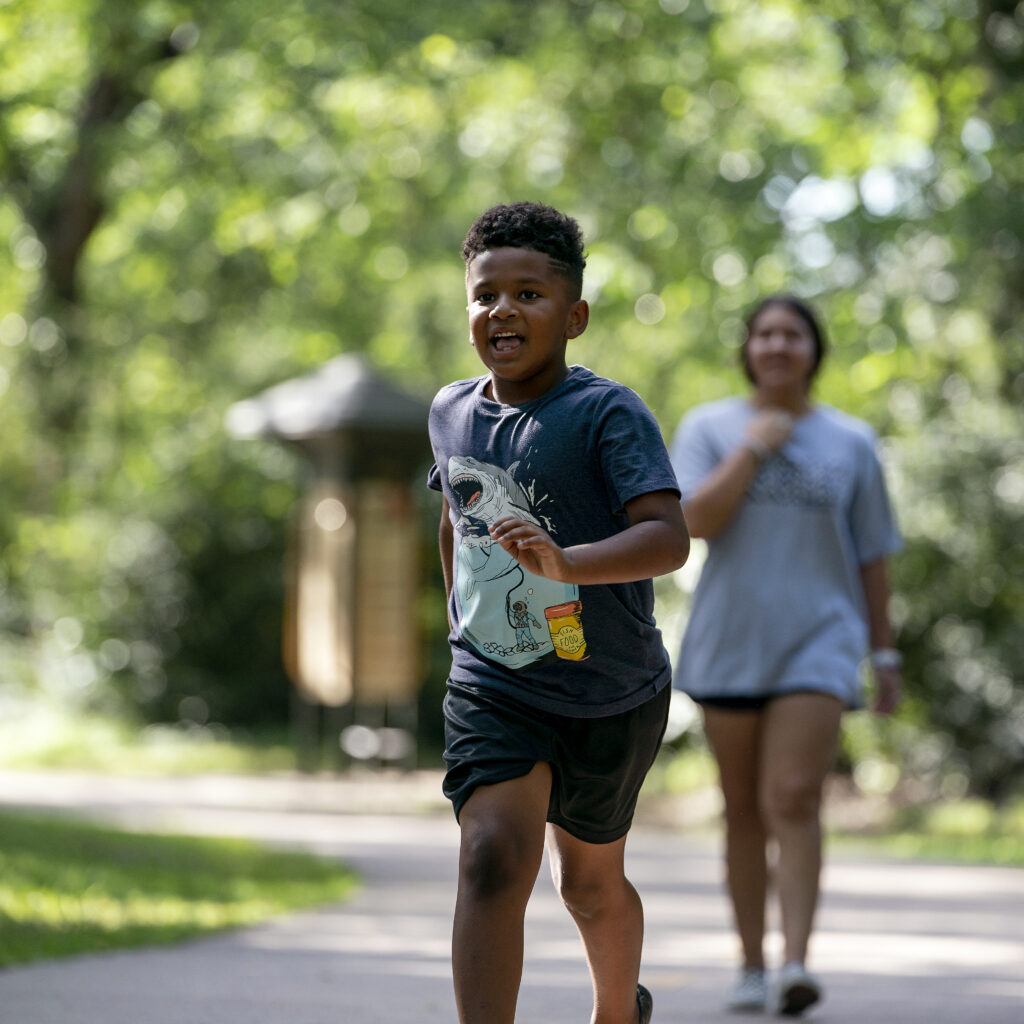
Better Living for Texans

Better Living for Texans program provides research and evidence-based nutrition, health and wellness knowledge to empower individuals, families, and communities to make positive changes for healthier lives.

Learn About
Life & Health

Publications

Publication

Help your vet students feel prepared for CDE success with our booklet! Inside you’ll find 200 questions and answers for select chapters from our Veterinary Science textbook. Grab your copy today!

Publication

The Junior Master Gardener Teacher & Leader Guide provides elementary teachers with the tools to teach the world of gardening with eight chapters of novel, hands-on and proven lessons.

Publication

This set includes one copy of the Junior Master Gardener Level 1 Teacher/Leader Guide and 20 copies of the Junior Master Gardener Level 1 Handbook.

Programs

We offer numerous free and affordable programs on agriculture and natural resources, family and community health, economic health and youth development. We also offer many volunteer opportunities. Browse the list below.
Program

In the Natural Resources project area, youth gain knowledge and experience in a variety of outdoor topic areas such as water conservation, outdoor living skills, forestry, fishing, and more. Young Texans involved in these projects are introduced to a vast array of educational and fun opportunities to be immersed in the world around them.

Program

The Texas 4-H Family & Community Health Program provides a variety of resources and opportunities to learn about nutrition, interior design, consumer education and more.

Program

Texas 4-H Youth Ambassador program is for high school 4-H members looking to develop and practice advanced skills in a variety of 4-H program areas.

Courses

Course

In early childhood, a child’s social emotional development and mental health are one and the same. That means the strategies early childhood educators use to cultivate positive social emotional development are, by definition, supportive of positive mental health outcomes.

The purpose of this 2-hour course is to give early childhood professionals a review of key milestones and learning goals in the social emotional domain of development and a selection of practical strategies to help children achieve them.

Course

In order to facilitate healthy social emotional development among young children, early childhood professionals first need to have the tools to regulate their own emotions and manage their own stress.

The purpose of this 2-hour course is to provide early childhood educators with information and resources to recognize stressors and signs of stress and empower them to adopt healthy approaches to stress management.

Course

Increased engagement in outdoor and nature play can benefit young children’s learning across all developmental domains.

The purpose of this 2-hour course is to offer early childhood professionals strategies for supporting children’s social emotional development through outdoor play and learning activities.

All Resources on Life & Health

  • Course

    To facilitate positive social and emotional outcomes for children, early childhood educators need to understand and recognize the role of stress and trauma on early brain development and implement proactive and responsive measures to build children’s resilience.

    This 2-hour course aims to help early childhood professionals understand how they can play a part in cultivating positive social emotional outcomes for each child by applying trauma-informed and resiliency-supporting practices in early learning settings.

  • Course

    Despite the known benefits of outdoor and nature play for young children, early childhood educators and administrators may worry about issues of safety and liability.

    The purpose of this 2-hour course is to equip early childhood professionals to view risk in outdoor and nature play as a process of balancing risks and benefits, rather than a barrier to including outdoor and nature play in your program.

  • Course

    Executive function is the collection of processes in our brain that help us make calm and rational decisions to accomplish tasks and goals. These skills can be developed through interactions with children to support their learning every day to develop these skills.

    The purpose of this 2-hour course is to educate early childhood professionals on the benefits of targeting executive function, its component skills, and common patterns of executive function development to support teachers with planning learning experiences to support children’s development of executive function.

  • Course

    A well-designed, naturalized outdoor learning environment can be the ultimate tool for facilitating meaningful, impactful outdoor play and learning experiences for young children.

    The purpose of this 2-hour course is to introduce early childhood educators and directors to best practices in outdoor learning environments and offer tips for making incremental improvements to enhance the quality of your program’s existing outdoor spaces.

  • Course

    Collaboration is an integrated part of how we build successful relationships, make connections, create support systems, and involve the community in the field of early childhood. Professionalism plays a critical role in how early childhood educators foster their collaborative efforts. Learning how to collaborate creatively and effectively is essential to being an early childhood professional.

    After completing this 3-hour course, the participants will be able to explain what collaboration is, describe elements of professionalism, and list ways to collaborate in the early childhood profession.

  • Course

    Early childhood professionals should understand the standards, policies, and guidelines that must be followed based on the type of program they are working in. These regulations may vary for early childhood businesses, and some may have to follow multiple standards. Understanding these regulations, including best practices, keeps children safe and programs in compliance and ensures high-quality educational experiences for children.

    After completing this 3-hour course, the learner will be able to explain the importance of understanding standards and policies, describe why we have regulations in the field of early childhood, list resources that provide state and federal guidelines, and explain best practices for implementation and creating systems for compliance.

  • Course

    Knowing what children can do and what they know is powerful information that can guide early learning teachers to create appropriate learning experiences for their children. The purposes and types of assessments are examined.

    This 4-hour course for early learning educators is designed to review the purposes of assessment, how to evaluate and interpret the results, and create a plan to share results with families.

  • Course

    Math is FUN! It is one of the few times you can see the wheels turning as children engage in the exploration of number and number operations, geometry and spatial sense, classification, and pattern skills! Learning happens right before your eyes!

  • Course

    Many parents work nontraditional hours, meaning their children need access to early care and education programs outside typical operating hours. In the absence of qualified early care and education programs that offer nighttime care, these families may have to make challenging and precarious choices, choosing between maintaining their employment and leaving their children without the appropriate care.

    The purpose of this 2-hour course is to support early childhood program owners and directors through the process of incorporating extended hours of care, including overnight care, to support the needs of many families across Texas.

  • Course

    Early childhood education is not an act of transferring knowledge into children’s passive minds. Effective educators recognize that children must be active, engaged participants in the learning process. Thus, to effectively teach young children, we must first understand how they learn.

    In this 2-hour course for early childhood professionals, we will introduce you to some of the most well-established scientific theories about children’s learning and development and how you can use the power of decades of scientific research to hone your teaching.

Have questions? We can help!

As part of our extension mission of Serving Every Texan, we aim to make contacting our experts easy. Find the best fit for your needs:

Localized Information & Resources

Domain Knowledge & Topical Expertise

Media Inquiries & Resource Scheduling